Source Semi Permanent Makeup Tattoo Ink for Eyebrow, Lip, and Scalp
Compare 30 Semi Permanent Makeup Tattoo Ink options from verified suppliers. Buyers can evaluate silicone and plant-based pigments for eyebrow, lip, and scalp micropigmentation applications with varying certifications and packaging.
Key considerations
Products List


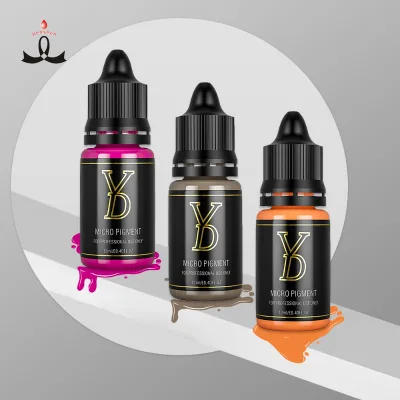
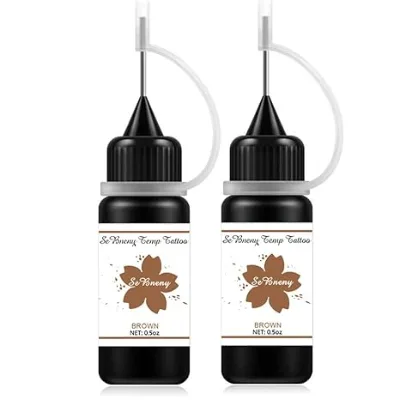
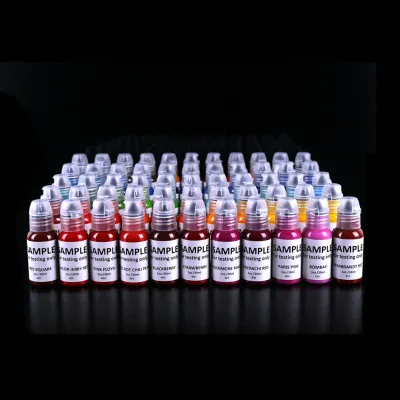


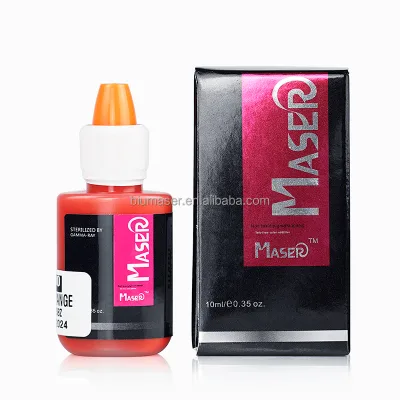



Comprehensive Sourcing Guide
Strategic Sourcing Guide for Semi-Permanent Makeup Tattoo Ink
Understanding Product Categories and Technical Specifications
The market for semi-permanent makeup tattoo ink is characterized by a diverse range of formulations designed for specific aesthetic outcomes and application methods. Buyers must first distinguish between the primary product types observed in the supply chain, as these dictate the technical requirements for procurement. The inventory includes distinct categories such as Hybrid Liquid Tint, Pure Organic Milky Pigment, and Scalp Micropigmentation Tattoo Ink. Each category serves a unique function within the permanent makeup industry.
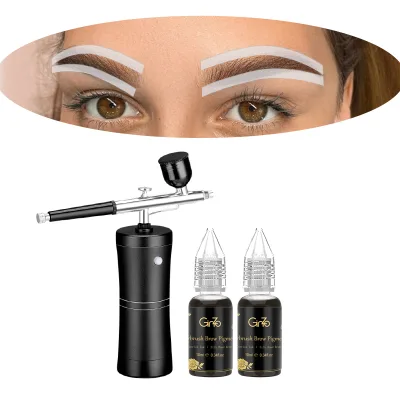
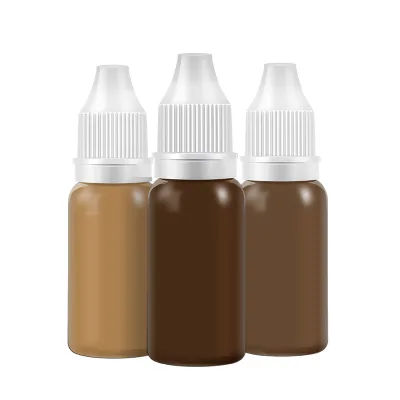
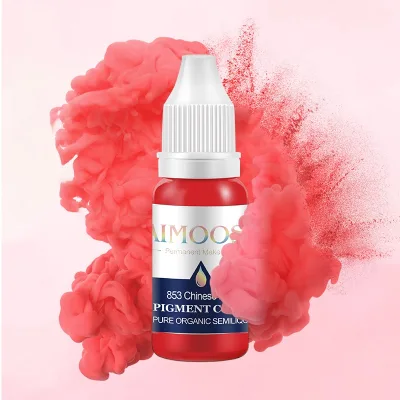
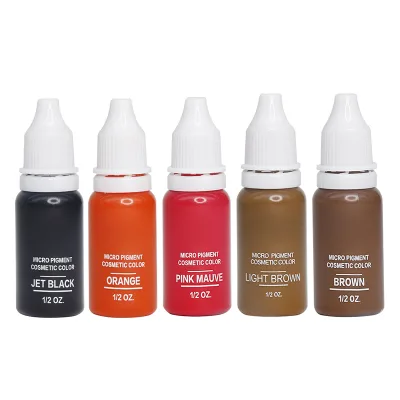
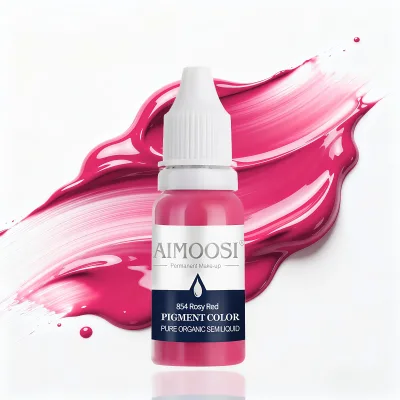
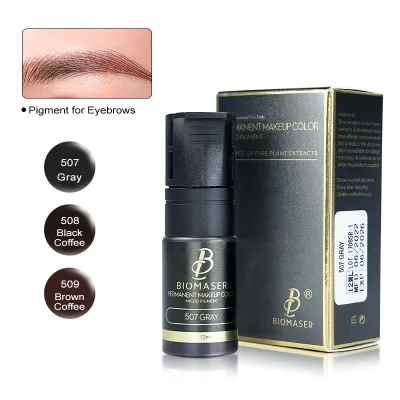
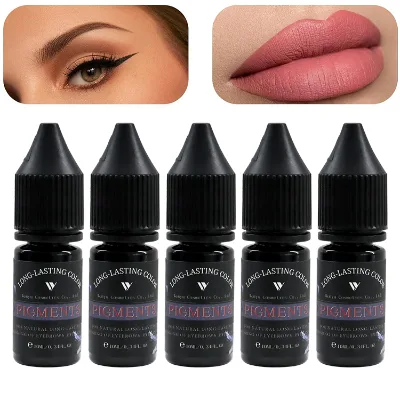
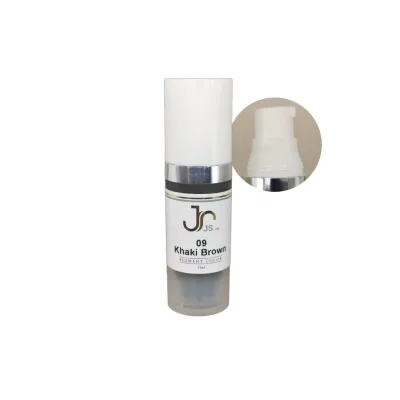
Hybrid Liquid Tint products are specifically engineered for eyebrow applications, often marketed with features like "Easy Coloring" and "Waterproof" capabilities. These inks typically present in a liquid appearance and are formulated for use with both manual pens and machine pens. The physical specifications for these items often include a capacity of 15ml per bottle, packaged in kits or individual boxes with plastic seals. In contrast, Pure Organic Milky Pigment products emphasize natural composition, with materials listed as 100% pure natural plant sources. These are often highlighted for their "Nanomolecules" advantage, suggesting a specific particle size intended for better skin integration and color retention.
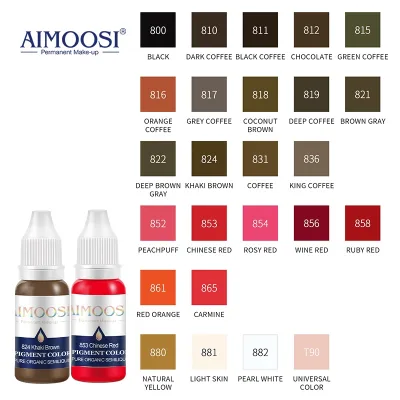
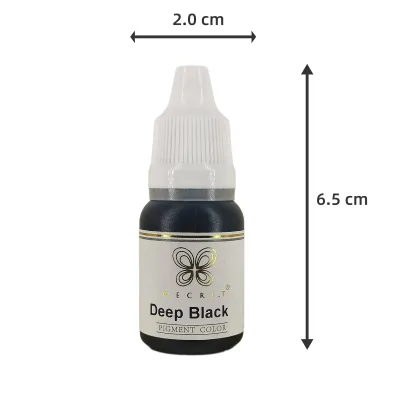
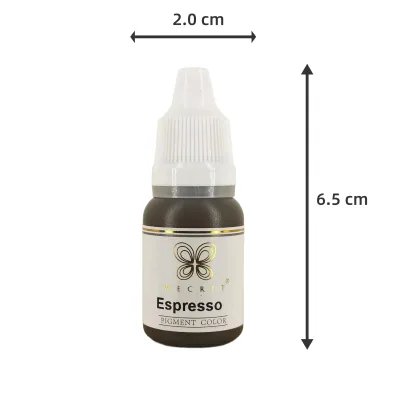
Scalp Micropigmentation inks represent a specialized subset of the market, often sourced from different geographical origins, including Germany and China. These products are available in various bottle sizes, ranging from 3ml to 15ml per bottle, and are packaged in paper boxes or blister packs. The color palettes vary significantly across suppliers; some listings offer a select of colors, while others provide extensive ranges, such as 35 or 836 specific shades including various coffee, brown, and gray tones. Buyers must verify the "Appearance" of the ink, which is consistently described as liquid, and ensure the viscosity aligns with the intended tattooing device.
| Product Type | Primary Application | Material Composition | Typical Capacity | Packaging Style | | :--- | :--- | :--- | :--- :--- | | Hybrid Liquid Tint | Eyebrow, Microblading | Silicone-based | 15ml/bottle | Kit packed, Box with Plastic Seal | | Pure Organic Milky Pigment | Eyebrow, Lip | 100% Pure Natural Plant | 37g (varies) | Box with Plastic Seal, Carton with Blister | | Scalp Micropigmentation Ink | Scalp Micropigmentation | Standard Tattoo Ink | 3ml - 15ml/bottle | Paper Box, Box with Plastic Seal |
Compliance and Certification Verification
In the realm of semi-permanent makeup, regulatory compliance is not merely a formality but a critical component of product safety and market access. Buyers must rigorously verify the certification status of potential suppliers, as the industry is heavily scrutinized for skin safety. The supply chain includes products that explicitly list certifications such as S GS and DERMATEST. These certifications indicate that the product has undergone specific testing for dermatological safety and general standards compliance. However, the presence of these certifications on a product listing does not automatically guarantee that every batch from that supplier meets the same standard; verification of current, valid documentation is essential.
When evaluating suppliers, particularly those claiming to offer OEM/ODM services with customized labels, the buyer must ensure that the certification applies to the specific formulation being ordered. Some products are noted to originate from Guangdong, China, while others list Germany as the place of origin. The geographical origin can influence the regulatory framework under which the product was manufactured, but it does not replace the need for specific product certifications. For instance, a product labeled as "Natural" or "Organic" must be supported by material verification to ensure that the "100% Pure Natural Plant" claim is accurate and not merely a marketing descriptor.
Buyers should also look for evidence of compliance with international safety standards, even if specific standard numbers are not explicitly listed in every product description. The absence of a listed standard number in a product summary should prompt a direct inquiry to the supplier regarding their adherence to local and international regulations for cosmetic and medical devices. The "S GS" and "DERMATEST" labels are strong indicators, but they must be cross-referenced with the specific product batch. Furthermore, the "Customization" feature available from many suppliers implies that the final product may differ from the base sample, necessitating a re-verification of certifications for the customized version.
Cost Drivers and Pricing Structures
The pricing of semi-permanent makeup tattoo ink is influenced by a complex interplay of material costs, certification fees, packaging requirements, and supply chain logistics. The observed price range in the market spans from $0.21 to $88.99 USD, a variance that reflects the diversity in product quality, volume, and brand positioning. Lower-priced items often correspond to basic liquid tints or bulk orders with minimal packaging, while higher-priced items may include specialized organic formulations, extensive color palettes, or premium certifications.
The Minimum Order Quantity (MOQ) is a significant factor in determining the unit cost. The market observes an MOQ range from 1 to 500 units. Suppliers offering an MOQ of 1 are typically targeting small businesses or individual practitioners looking to test products, whereas an MOQ of 500 suggests a focus on wholesale distribution. The "Supply Ability" of suppliers, which can reach 100,000 pieces per month, indicates that high-volume orders are feasible, potentially leading to economies of scale that reduce the per-unit cost. However, buyers must balance the desire for lower unit prices against the risk of overstocking, especially for products with limited shelf lives or specific color requirements.
Packaging details also contribute to the final cost. Products described as "kit packed" or those requiring "blister packing" within cartons incur higher packaging costs compared to simple bottle shipments. The "Customized Label" option, a common feature in OEM/ODM arrangements, adds a layer of cost due to the setup and printing requirements. Additionally, the "Port of dispatch," often listed as Guangzhou, Guangdong, affects shipping costs and lead times. Buyers should calculate the total landed cost, including freight, duties, and insurance, rather than focusing solely on the FOB price. The "Storage" requirement to "keep in dark place" may also imply specific logistics needs that could impact handling costs.
Typical Applications and Usage Scenarios
The versatility of semi-permanent makeup tattoo ink allows for a wide array of applications, ranging from cosmetic enhancements to medical-grade procedures. The primary applications identified in the market include eyebrow tinting, lip coloring, and scalp micropigmentation. Hybrid Liquid Tint products are specifically noted for their use in "Eyebrow" applications and "Microblading Pigment Permanent Makeup." These inks are designed to provide "Easy Coloring" and are suitable for both manual and machine pen operations, offering flexibility for practitioners who may switch between techniques.
Pure Organic Milky Pigment products are marketed for "Permanent Makeup eyebrow&lip" applications. The "Nanomolecules" feature suggests that these inks are designed for finer detail work and smoother color deposition, which is particularly beneficial for lip procedures where precision is paramount. The "Temporary" lasting time mentioned for some products indicates that they may be intended for trial purposes or specific types of lamination treatments, such as "Eyebrow Tint and Lamination Airbrush," rather than traditional permanent tattooing. This distinction is crucial for buyers to ensure they are sourcing the correct product for their specific service offerings.
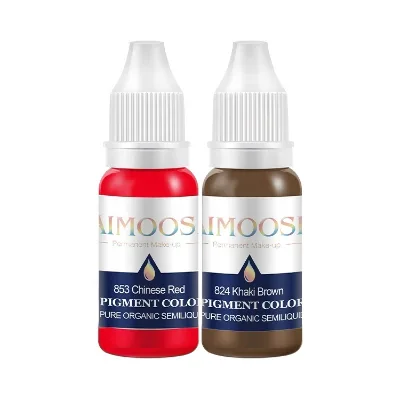
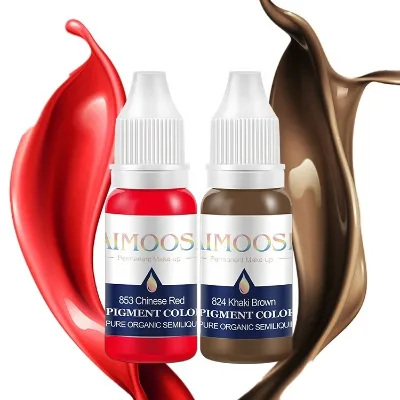
Scalp Micropigmentation inks serve a different niche, focusing on hair loss simulation and scalp aesthetics. These products are often available in specific color codes, such as "836 KING COFFEE" or "800 BLACK," allowing for precise color matching with the client's natural hair. The "Usage" for these inks is strictly defined as "Ink, Cosmetic," and they are formulated to withstand the specific demands of scalp tattooing. The "Waterproof" feature is a common attribute across many of these products, ensuring that the results remain intact during the healing process and in daily activities. Buyers must match the application type with the correct ink formulation to avoid adverse reactions or poor aesthetic results.
Supplier Evaluation and OEM/ODM Capabilities
Selecting the right supplier is a critical step in the procurement process, particularly when dealing with products that involve direct skin contact. The market offers a significant number of suppliers providing OEM/ODM services, allowing for "Customized Label" options and tailored product formulations. When evaluating these suppliers, buyers should prioritize those with a proven track record of "Customization" availability and a clear understanding of the client's branding needs. The ability to offer "Customized Label" services indicates a mature supply chain capable of handling private label requirements.
The "Place of Origin" is another key factor in supplier evaluation. While many products originate from Guangdong, China, some high-end or specialized inks are sourced from Germany. The geographical origin can influence the perceived quality and regulatory compliance of the product. However, buyers should not rely solely on the origin; they must verify the supplier's production capabilities and quality control measures. The "Supply Ability" of 100,000 pieces per month suggests that the supplier has the infrastructure to handle large orders, but this should be corroborated with references or site audits.
Buyers should also assess the supplier's responsiveness to specific product inquiries, such as the availability of specific color codes or the ability to modify formulations. The "Model Number" or "Product Name" listed by the supplier should be consistent with the buyer's requirements. For example, a supplier offering "Hybrid Liquid Tint" with the model number "AP01" must be able to provide the specific technical data associated with that model. The "Port of dispatch" being Guangzhou, Guangdong, is a common logistical hub, but buyers should confirm the actual shipping lead times and reliability of the logistics partners.
Quality Control and Long-Term Procurement Considerations
Ensuring consistent quality is paramount in the semi-permanent makeup industry, where product failure can lead to serious health consequences and reputational damage. Buyers must implement a robust quality control (QC) process that includes pre-shipment inspections and post-arrival testing. The "Certification" status, such as S GS and DERMATEST, should be verified for each batch, as certifications can expire or be applied to specific product lines only. The "Material" composition, whether "Silicone" or "100% Pure Natural Plant," must be verified through third-party testing to ensure accuracy.
Long-term procurement considerations involve building a sustainable relationship with suppliers who can guarantee consistent supply and quality. The "Storage" requirement to "keep in dark place" highlights the need for proper handling and storage conditions throughout the supply chain. Buyers should ensure that their logistics partners are equipped to maintain these conditions to prevent product degradation. The "Packing" details, such as "The Box of Product with Plastic Seal," should be inspected to ensure that the integrity of the product is maintained during transit.
Furthermore, buyers should consider the "Advantage" features of the products, such as "Nanomolecules" or "Waterproof" capabilities, as these can be differentiators in the market. However, these claims must be substantiated by test results and performance data. The "Lasting Time" of the product, whether "Temporary" or permanent, must be clearly communicated to clients to manage expectations. Finally, buyers should monitor the market for changes in regulations and standards, ensuring that their procurement strategy remains compliant with evolving industry requirements. By maintaining a vigilant approach to quality control and supplier management, buyers can secure a reliable supply of high-quality semi-permanent makeup tattoo ink.
FAQs
What certifications do Semi Permanent Makeup Tattoo Ink products have?
Products often carry S GS and DERMATEST certifications to verify dermatological safety. Buyers must verify that these certifications apply to the specific batch and formulation being ordered, as customization may alter the base product requirements.
Which materials are used in pure organic milky pigment inks?
Pure organic milky pigments are composed of 100% pure natural plant materials. This composition supports claims of natural sourcing, though buyers should verify material documentation to ensure the 'organic' descriptor is accurate for the specific item.
Can suppliers provide customized labels for Semi Permanent Makeup Tattoo Ink?
Yes, many suppliers offer OEM and ODM services with customized label options. This customization is available for various product types, but buyers should confirm that the final customized formulation still meets all necessary safety standards.
How many color options are available for scalp micropigmentation inks?
Some listings offer up to 836 specific color shades, including various coffee and brown tones. Other products may provide a select of colors or 35 specific options, so buyers must check the exact palette for their intended application.
What is the typical capacity for Semi Permanent Makeup Tattoo Ink bottles?
Bottle capacities typically range from 3ml to 15ml per bottle depending on the product type. Hybrid liquid tints often come in 15ml bottles, while scalp micropigmentation inks may be available in smaller 3ml containers.
Where are Semi Permanent Makeup Tattoo Ink products typically manufactured?
Most products originate from Guangdong, China, with some specialized inks sourced from Germany. The place of origin influences regulatory compliance, but buyers must still verify specific certifications regardless of the manufacturing location.